Your Fundraisers Are Burning Out. Have You Checked Their Professional Development Budget?

There's a conversation happening inside a lot of nonprofits right now, and it usually starts with a variation of the same question: Why can't we retain development staff?
The answers tend to circle the same usual suspects — compensation, burnout, unclear expectations, limited upward mobility. And those are real. But there's one factor that gets skipped in almost every retention conversation, and it's one of the most actionable things an organization can actually do something about.
Are you investing in your fundraisers' professional growth?
Not onboarding. Not a coaching conversation with the ED once a quarter. Real, structured, peer-driven professional development — the kind that reminds a development officer that they are part of a profession, not just filling a role.
What Professional Development Actually Does for a Fundraiser
The fundraising career pipeline has a leakage problem. People enter the sector passionate, hit the steep learning curve that comes with no real training infrastructure, white-knuckle their way through a few annual funds, and either burn out or quietly conclude that there's no map for what they're trying to do — so they find something else.
The ones who stay are almost always the ones who found community. A mentor. A cohort. A conference that made them feel like the work they were doing had depth, rigor, and a future.
This is not incidental. It's causal.
When a fundraiser understands the why behind what they're doing — when they have frameworks, vocabulary, and a network of peers who do this same work — they make better decisions. They ask better questions. They're more confident in the room with donors. And they're far more likely to still be at your organization in two years.
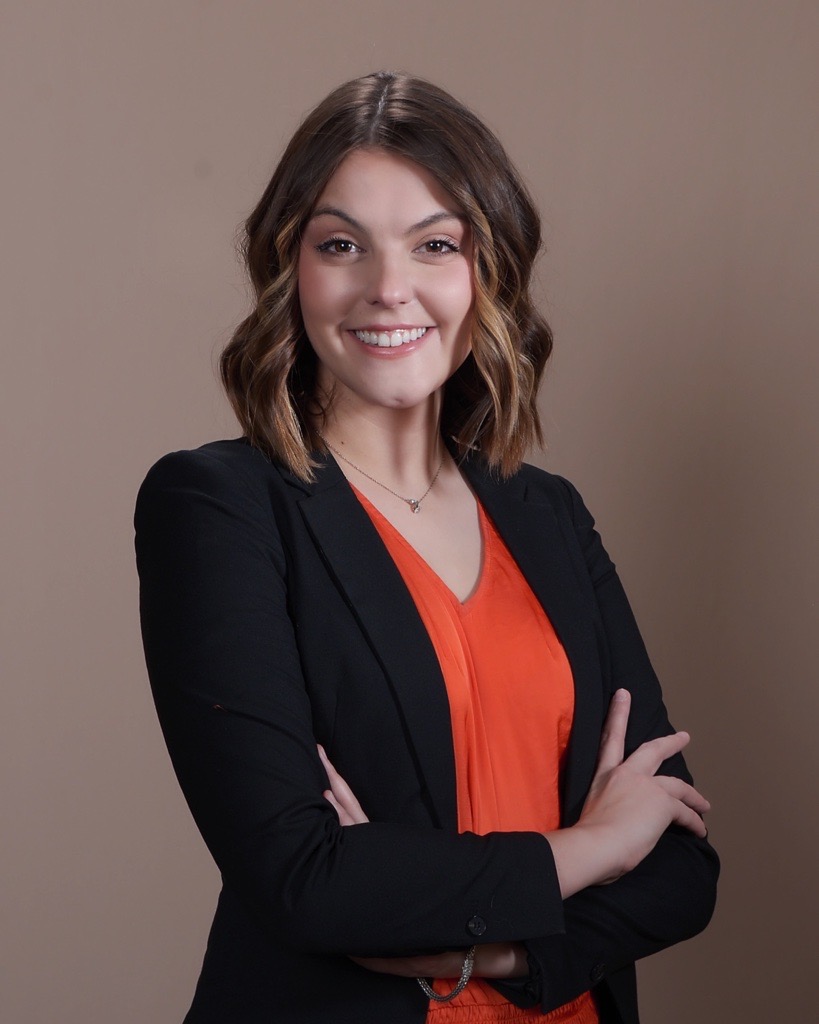
I've lived this. It's the reason I do the work I do, both at Kindling Impact and in my volunteer capacity on the Board of AFP Greater Arizona.
What It Actually Looks Like to Invest in a Sector
I spent the better part of this year serving as volunteer Conference Chair for the AFP Greater Arizona Chapter's 2026 Statewide Conferencee.
The conference — themed Disrupt. Excel. Repeat. and held June 25–26 at the JW Marriott Camelback Inn in Scottsdale — started taking shape in October 2025. Speaker submissions opened in December. We reviewed 45 submissions and built three full content tracks around them: Beyond Basics, Sector Sustainability, and Policy, Power & Public Impact. A CFRE Refresher Course ran the day before for professionals actively pursuing or renewing their credential. A scholarship program brought first-time attendees into the room who otherwise wouldn't have had access.
From the inside, it looked like a master timeline spreadsheet, dozens of committee meeting agendas, a "Week Of" checklist that ran to dozens of line items — and a team of five who each carried pieces I couldn't have carried alone.
From the outside, it looked like a room full of fundraisers learning, connecting, and being reminded that what they do is a discipline worth investing in.
Both things are true simultaneously. And honestly, that's exactly the point.
What Was Actually in That Room
The content lineup was built to reflect what the sector's emerging professionals actually need — not just inspiration, but depth.
Frank Velásquez Jr. opened with a breakfast keynote on curiosity, connection, and community. The kind of session that reminds you why you chose this work before the day gets into tactics. Alice Ferris, CFRE, ACFRE, and Jim Anderson, CFRE, of GoalBusters closed the day with a session on AI and the future of fundraising — a reminder that the work is changing and we need to be ahead of it.
In between: sessions on integrating advocacy and public policy into organizational missions, on the hidden costs of technology adoption, on transforming nonprofit-funder partnerships from transactional to collaborative, on strategic succession planning, on the integration of development and marketing, on corporate engagement, and on training operations staff to think like fundraisers.
Three tracks. Multiple breakout rounds. All of it eligible for CFRE continuing education points.
This is what depth looks like. This is what it means to treat fundraising as a profession — not a passion project that people figure out on their own.
The Case Your Development Staff Can't Always Make for Themselves
Here's the uncomfortable truth: the people who need professional development most are often the least empowered to ask for it.
A development officer who is already underwater on their annual fund goals, managing a board that doesn't fully understand their role, and absorbing the ambient message that overhead is bad — that person is not walking into a budget conversation to advocate for their own conference registration fee.
That ask has to come from leadership. And I'd argue it's one of the highest-leverage investments you can make.
A fundraiser who attends one well-designed professional development event — who comes back with new frameworks, a peer they can call when something goes sideways, and a renewed sense that this career has a future — is a fundraiser who is more effective in every donor meeting they take for the next six months.
That return on a conference registration fee is not hard to calculate. What's harder is prioritizing it before someone gives notice.
What Organizations Can Do Right Now
You don't have to build a statewide conference to invest in your development team's growth. What you do have to do is treat professional development as a line item that belongs in your budget — not a reward that gets cut when things get tight.
A few places to start:
AFP membership and conference registration. The Association of Fundraising Professionals exists specifically to build the skills and community of fundraising professionals. AFP Greater Arizona's statewide conference costs a fraction of what it costs to lose and replace a mid-level development officer. If your fundraiser isn't a member, that's worth revisiting.
CFRE support. The Certified Fund Raising Executive credential is the gold standard of professional credentialing in this sector. Supporting your development staff in pursuing it — through conference attendance, study materials, and time — is a concrete investment in their longevity and effectiveness.
Peer community. Some of the most meaningful professional development happens in small groups of practitioners doing the same work. AFP's affinity groups, local chapter events, and sector-specific peer communities exist precisely to fill the gap that formal training can't.
Internal space to reflect. Not every investment costs money. Creating regular space for your development team to share what they're learning, debrief donor conversations, and think strategically rather than just execute tactically — that's professional development too.
The Bigger Picture
Fundraising is not a job people stumble into and stay in because it's easy. It's hard work, relational work, work that requires a kind of resilience that doesn't come from nowhere.
What sustains people in this career long-term is the sense that the work is worth doing, that they're getting better at it, and that they're not figuring it out alone.
That's what I was trying to build this year in my role as Conference Chair. And it's what Elena and I are trying to build every day at Kindling Impact — a sector where fundraising is a viable, sustainable career path, not just for the people who happen to find the right mentor or stumble into the right community, but for everyone who chooses this work.
The sector doesn't need your fundraisers to sacrifice themselves for the cause. It needs them to have long, skilled, sustainable careers.
That starts with an investment. And the good news is, it's one you can make.
Tatumn Zale is Co-Founder of Kindling Impact and serves on the AFP Greater Arizona Chapter Board of Directors, where she most recently chaired the 2026 AFP AZ Statewide Conference. Kindling Impact specializes in annual fund management, fundraising strategy, and communications for nonprofits and social impact organizations.


Comments